Regulations
Is The Bahamas Greylisted? Listing History and Outlook
Is The Bahamas blacklisted or greylisted? Track its EU Annex I and II, FATF and OECD ratings, the deficiencies behind them, and the current outlook for owners.
 Bahamas Bahamas
 Practical guides on Bahamas company setup, IBC structures, and offshore banking. Smart insights for entrepreneurs expanding into this premier tax-neutral haven.

Is The Bahamas blacklisted or greylisted? Track its EU Annex I and II, FATF and OECD ratings, the deficiencies behind them, and the current outlook for owners.

Understand the Bahamas FATF assessment: mutual evaluation history, technical compliance and effectiveness ratings, and what findings mean for foreign owners.

Understand Bahamas FATCA obligations: which institutions are caught, how US accounts are identified and reported, and the penalties for non-compliance.

Bahamas TIEAs support tax transparency under the OECD standard. Learn the request process, confidentiality safeguards, and the rights of the person concerned.

CRS in The Bahamas means automatic exchange of financial account data. See the legal basis, reportable accounts, deadlines, penalties and partner jurisdictions.

Corporate and shareholder disputes in the Bahamas, explained for foreign owners: legal framework, oppression remedies, interim relief and enforcing awards.

Bahamas Tax Authority basics for foreign owners, covering DIR registration, the online filing portal, key dates, audits, record-keeping and enforcement powers.

Understand Bahamas bearer shares: their abolition under the IBC Act, the transition path for legacy certificates, and what it means for offshore structures.

A Bahamas Tax ID explained for non-residents: when a VAT TIN applies, registration steps, required documents, and how to handle CRS self-certification.
Bahamas certificate verification explained: confirm certificates of good standing, incumbency, and incorporation through official Registrar General channels.

Understand company privacy in The Bahamas, from Registrar General records to beneficial ownership disclosure and who can see director and shareholder data.

A Bahamas company search shows non-resident owners how to find entity details online or in Nassau, retrieve extracts and verify a certificate of good standing.

The Bahamas tax haven reputation rests on zero direct tax and easy setup, but substance and transparency reforms have reshaped what non-residents get.
A clear look at Inheritance & Estate Tax in Bahamas: gift tax treatment, transfers on death, considerations for investors, and the outlook for future change.

Bahamas tax residency explained for non-residents: why status matters without income tax, how company and individual residency are set, and certificate limits.

Bahamas tax treaties work differently: as a no-tax jurisdiction it has no comprehensive DTAs. See how double taxation, withholding and BEPS rules apply.

Wealth & Net Worth Tax in Bahamas for non-residents: the confirmed position, implications for companies and investors, and whether such a tax may be introduced.
Customs & import duties in The Bahamas explained for non-residents: how duty rates work, CIF valuation, exemptions, the import clearance process, and key fees.
A clear look at Excise Tax in The Bahamas, covering the goods affected, how rates are calculated, who is liable, and the exemptions and reliefs that may apply.

What payroll tax in the Bahamas means for foreign-owned firms, including contribution shares, monthly remittance, late-payment surcharges, and the outlook.
Understand how Dividend Tax in Bahamas applies to shareholders, the treatment of residents versus non-residents, and the narrow exception for local businesses.
Property Tax in The Bahamas explained, including rates and bands by property type, exemptions and reliefs, plus owner obligations and payment deadlines.

A clear look at Sales Tax in the Bahamas, covering how VAT works, the registration threshold, taxable versus exempt supplies, and filing and payment deadlines.
See how Stamp Duty in the Bahamas applies to leases, marina slips and commercial instruments, with notes on calculation, exemptions and compliance obligations.
A look at Withholding Tax in the Bahamas, covering the legal basis for its absence, dividend payments, profit repatriation and remaining compliance obligations.

Understand Capital Gains Tax in Bahamas, including why no tax applies on asset disposals, the rules for non-residents, and the transaction costs that arise.

Personal Income Tax in Bahamas for residents and expats: the legal basis for zero tax, how investment income is treated, and the contributions that still apply.
Corporate Tax in the Bahamas explained for non-residents, from the absence of a profits tax to the business licence fee and rules for foreign-owned companies.
How the Economic Substance Report works in The Bahamas, including which entities must file, what the report must contain and the role of the registered agent.
Economic substance in the Bahamas covered for non-resident owners: scope and exemptions, how to meet and demonstrate the test, and what happens if you fail.

Understand Bahamas AML and KYC duties, from supervisory authorities and the FIU to enhanced due diligence, PEPs, risk assessments and consequences of non-compliance.
What foreign owners should know about Bahamas accounting duties: records to keep, retention, accountant certification, audit roles, and where records must be held.

How the Bahamas annual return works for non-resident companies, covering who must file, required particulars, filing with the Registrar General, and fees.

Beneficial ownership requirements in the Bahamas explained for foreign owners, including exempt entities, recorded information, update timelines, and penalties.

Planning a Bahamas company from Italy? Understand remote registration, eligibility, costs, banking between the two, and your Italian tax and reporting duties.

Running a Bahamas company from Spain means checking Spanish tax first. Learn remote setup, eligibility, documents, banking, and bringing profits back to Spain.

Owning a Bahamas company from France raises tax and reporting questions. Walk through remote registration, documents, costs, banking, and the treaty position.

Forming a Bahamas company from the Netherlands means handling remote filing, eligibility, costs, and the Dutch tax scrutiny that follows a foreign-owned entity.

Setting up a Bahamas company from China is largely remote, with a registered agent filing for you. Covers documents from China, banking, costs and tax at home.

A Bahamas company from Switzerland, explained for Swiss-taxed owners: eligibility, registration, costs, reporting obligations, and bringing profits back home.

Forming a Bahamas company from Germany runs through a local registered agent, so no travel is needed. Understand the documents, costs, and how you are taxed at home.

How to set up a Bahamas company from Hong Kong: remote registration through a licensed agent, the documents you need, costs, banking, and how an owner is taxed.
Set up a Bahamas company from Singapore without travelling, working through a licensed registered agent. Covers documents, costs, banking, and how a Singapore owner is taxed.
Forming a Bahamas company from Australia is a remote process. Learn how an Australian resident registers an IBC, the documents needed, banking, and tax at home.
Registering a Bahamas company from Canada covers eligibility, documents, costs, and timing, plus how the CRA treats foreign companies and reporting obligations.
Forming a Bahamas company from the UAE: how a UAE resident registers remotely through a licensed agent, the documents needed, costs, banking, and tax exposure.
Setting up a Bahamas company from India is largely remote through a registered agent. See the documents needed from India, costs, banking, and how owners are taxed.
What a UK-based founder should know before forming a Bahamas company from the United Kingdom: registration steps, banking, tax considerations, and reporting to HMRC.
How a US resident can register a Bahamas company from the United States, covering remote formation, banking, moving money home, and IRS reporting duties.

A look at using a Bahamas consulting company for non-residents, covering tax neutrality, economic substance, international invoicing, banking, and treaty gaps.

Using a Bahamas special purpose vehicle to isolate an asset or liability, with tax neutrality, bankruptcy-remoteness and limited objects clause drafting.
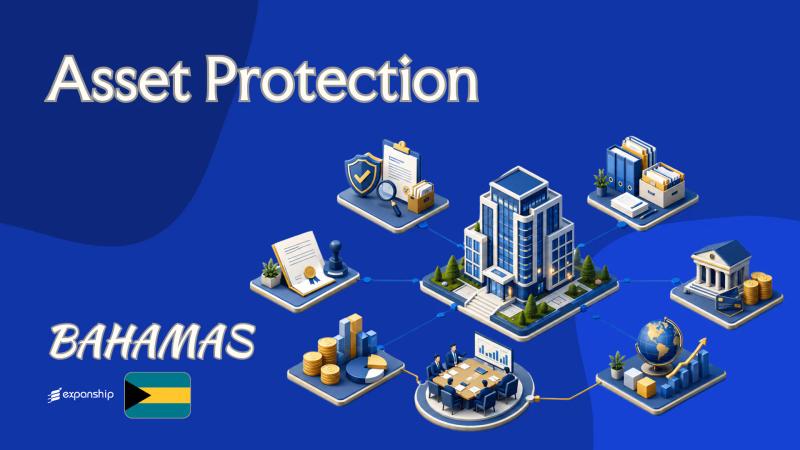
Using a Bahamas company for asset protection: how it separates risky activities from wealth, plus creditor remedies, fraudulent-transfer timing and substance.

How a Bahamas trading company handles cross-border goods, with notes on economic substance, transfer pricing, customs realities, and key practical limitations.

Holding real estate through a Bahamas company, with tax neutrality, repatriating rent, mortgage and lender attitudes, and economic substance considerations.

How a Bahamas company suits parent and group holding structures, with notes on tax neutrality, the absence of a treaty network, and layered structuring options.

Using a Bahamas company to hold investments, this overview covers brokerage and custody access, tax neutrality, the missing treaty network, and substance rules.

A look at using a Bahamas crypto company for non-residents, covering the DARE Act, VASP licensing, tax neutrality, economic substance, and on-ramp rails.

A look at the Bahamas IP holding company for foreign owners, including royalty taxation, DEMPE and economic substance, license structuring and transfer pricing.

How a Bahamas e-commerce company handles payment gateways, multi-currency settlement, economic substance, and chargeback risk for an offshore storefront.

Understand Bahamas Foreign Company Registration: the absence of a separate local entity, permitted activities, permanent establishment, and ongoing obligations.

Understand the Limited Partnership in the Bahamas, from governing law and partner roles to taxation, key advantages, limitations, and the formation process.
Explore the Bahamas International Business Company (IBC): legal framework, advantages, limitations, and a clear formation overview for non-resident owners.

How a Bahamas Private Limited Company works: defining features, shareholders, director roles, tax treatment, advantages, limits, and the formation process.
A Bahamas Limited Liability Company (LLC) guide covering structure, common uses, taxation, and formation for non-resident business owners and advisers.

Considering a sole proprietorship in the Bahamas? Review its legal basis, liability exposure, common uses, and when a limited company is the better fit.
A Bahamas branch office lets a foreign company operate locally. Learn the legal basis, registration steps, taxation, liability, and ongoing compliance duties.

A Bahamas General Partnership lacks separate legal personality and exposes partners to unlimited liability. Review governing law, formation, taxation, and uses.

How a Bahamas Exempted Limited Partnership works for non-residents: legal basis, partner roles, liability, tax and compliance, advantages, and formation steps.

Considering a public company in the Bahamas? Review its defining features, governance rules, public offering of securities, taxes, and formation at a glance.
A Bahamas Segregated Account Company (SAC) keeps assets and liabilities separate across accounts. Learn its legal basis, taxation, uses, and formation steps.
The Bahamas IBC vs LLC compared across liability, membership, tax, and ongoing burden, with use cases that show which vehicle suits your situation best.

The Bahamas Company Incorporation Timeline explained: name approval, due diligence, registry processing, same-day filing and realistic total elapsed time.
The documents to incorporate a company in the Bahamas, from KYC and identity proofs to the memorandum, articles, and registered agent filings for non-residents.
How to incorporate a company in the Bahamas: reserve a company name, appoint a registered agent, file with the Registrar General and obtain your certificate.
Bahamas Company Incorporation Cost covered fee by fee, including registry charges, share capital, registered agent fees, and a realistic first-year estimate.
Company formation requirements in the Bahamas include a licensed registered agent, beneficial ownership disclosure, and KYC documentation under the IBC Act 2000.

Cons of incorporating in the Bahamas include FATF grey listing complications, restricted IBC banking access, and no meaningful double tax treaty coverage for cross-border planning.

Key advantages of setting up a Bahamas IBC include zero corporate income tax, no capital gains or withholding taxes, full foreign ownership rights, and a stable USD-pegged currency environment.
An overview of company types in the Bahamas including the IBC, Exempted Limited Partnership, and LLC. Formation rules, tax treatment, and regulatory requirements are covered.